
The Ultimate Guide to the Best Shilajit to Buy in 2025
Shilajit, often called “the destroyer of weakness” and “conqueror of mountains,” has become one of the most sought-after natural supplements in the wellness world. With its rich concentration of fulvic acid, trace minerals, and bioactive compounds, this ancient resin promises to support energy levels, cognitive function, and overall vitality. However, with countless products flooding the market, finding the best shilajit to buy can be overwhelming.
The key to choosing high-quality shilajit lies in understanding what makes this substance truly effective. Not all shilajit products are created equal, and the difference between authentic, pure resin and inferior alternatives can significantly impact your health outcomes. This comprehensive guide will help you navigate the complex world of shilajit supplements, ensuring you make an informed decision that delivers real results.
Understanding What Makes Shilajit Exceptional
The Science Behind Authentic Shilajit
Authentic shilajit forms over centuries through the decomposition of plant matter in high-altitude mountain ranges, primarily the Himalayas. This natural process creates a tar-like resin rich in fulvic acid, humic substances, and over 85 trace minerals. The concentration of these bioactive compounds determines the quality and effectiveness of the final product.
Research indicates that genuine shilajit contains 60-80% fulvic acid, which acts as a natural carrier molecule, enhancing the bioavailability of nutrients and supporting cellular energy production. The presence of dibenzo-alpha-pyrones, unique compounds found only in authentic shilajit, further contributes to its therapeutic properties. These molecules work synergistically with fulvic acid to support mitochondrial function and combat oxidative stress.
The mineral profile of high-quality shilajit includes essential elements like iron, copper, zinc, magnesium, and manganese. These minerals exist in ionic form, making them easily absorbable by the human body. This bioavailability factor sets authentic shilajit apart from synthetic alternatives or products with added fillers.
Identifying Premium Quality Indicators
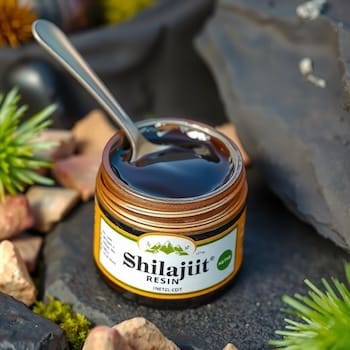
Premium shilajit exhibits specific characteristics that distinguish it from inferior products. Authentic shilajit resin should be dark brown to black in color, with a tar-like consistency that becomes pliable when warmed. It should dissolve completely in warm water, creating a golden-brown solution without any residue or floating particles.
The aroma of genuine shilajit is distinctive – earthy and slightly bitter, reminiscent of rich soil and organic matter. Products with artificial fragrances or overly pleasant smells likely contain additives or processing agents that compromise purity. High-quality shilajit also passes the flame test: when exposed to fire, authentic resin will bubble and char but never ignite or burn with a flame.
Third-party laboratory testing provides the most reliable verification of quality. Reputable manufacturers provide certificates of analysis (COA) showing fulvic acid content, heavy metal levels, and microbial contamination results. These documents should be readily available and reflect testing conducted by independent, accredited laboratories.
Top Shilajit Products Worth Considering
Premium Resin Forms: The Gold Standard
Pure shilajit resin represents the most concentrated and least processed form available. 5 Elementum Best Himalayan Shilajit exemplifies this category with its high-altitude sourcing and minimal processing approach. This type of product maintains the natural synergy of compounds found in authentic shilajit.
Resin forms typically offer superior potency compared to powders or capsules, as they undergo less processing that could degrade sensitive compounds. The sticky, tar-like consistency indicates minimal heat exposure during production, preserving the delicate balance of fulvic acid and trace minerals. Users can easily adjust dosing with resin forms, starting with rice-grain-sized portions.
Quality resin products should be packaged in dark glass containers to protect against light degradation. The packaging should clearly indicate the fulvic acid percentage, typically ranging from 60-80% in premium products. Reputable brands provide detailed sourcing information, including harvest altitude and purification methods used.
Convenient Capsule and Powder Options
While resin forms offer maximum potency, capsules and powders provide convenience for users seeking easier consumption methods. However, these processed forms require careful evaluation to ensure quality isn’t compromised during manufacturing. The best capsule products use low-temperature processing methods that preserve bioactive compounds.
| Product Form | Pros | Cons | Best For |
|---|---|---|---|
| Pure Resin | Highest potency, minimal processing, adjustable dosing | Sticky texture, strong taste, requires measuring | Experienced users, maximum benefits |
| Capsules | Convenient, precise dosing, no taste | May contain fillers, potentially lower potency | Beginners, busy lifestyles |
| Powder | Easy mixing, versatile use, moderate convenience | Processing may reduce potency, potential additives | Smoothie enthusiasts, moderate experience |
| Liquid Drops | Fast absorption, easy dosing, good bioavailability | May contain preservatives, shorter shelf life | Quick results, precise control |
Evaluating Popular Market Options
The supplement market offers numerous shilajit products, each claiming superiority. Based on current market analysis and consumer feedback, several products consistently receive positive reviews for quality and effectiveness. Products that source from high-altitude Himalayan regions, provide comprehensive lab testing, and use minimal processing methods tend to perform best.
Amazon’s best-seller list reveals consumer preferences, with gummy forms gaining popularity despite potentially lower potency. Root Labs’ 10-in-1 Alpha Shilajit Gummies combine convenience with additional ingredients like Tongkat Ali and Ashwagandha, appealing to users seeking comprehensive wellness support. However, these combination products may dilute the shilajit concentration compared to pure forms.
Traditional resin products from specialized suppliers often provide superior quality compared to mass-market alternatives. Companies that focus exclusively on authentic Himalayan sourcing typically offer more consistent quality and higher fulvic acid concentrations. These products may cost more initially but provide better value through higher potency and purity.
Critical Factors When Choosing Shilajit
Source and Harvesting Altitude
The geographical origin and harvesting altitude significantly impact shilajit quality. Himalayan shilajit harvested above 16,000 feet typically contains the highest concentration of bioactive compounds due to extreme environmental conditions and minimal contamination exposure. High-altitude sources experience greater temperature fluctuations and UV exposure, contributing to enhanced mineral concentration.
Authentic Himalayan shilajit undergoes natural purification through extreme weather conditions, creating a more refined product compared to lower-altitude sources. The harsh environment eliminates many impurities while concentrating beneficial compounds through natural evaporation and mineral leaching processes. This natural refinement process cannot be replicated through artificial means.
Suppliers should provide specific information about harvest locations, including regional designations within the Himalayas. Vague sourcing claims like “mountain-sourced” or “high-altitude” without specific details may indicate inferior or potentially fraudulent products. Legitimate suppliers often share photographs and documentation from harvest expeditions, demonstrating transparency in their sourcing practices.
Processing Methods and Purity Standards
The purification process dramatically affects final product quality. Traditional purification methods use only water and low heat to dissolve, filter, and concentrate the raw material. These gentle techniques preserve sensitive compounds while removing impurities like sand, plant debris, and other contaminants naturally present in raw shilajit.
Modern processing often employs chemical solvents or high-heat methods that can degrade fulvic acid and other bioactive compounds. Products processed using spray-drying techniques, common in powder production, expose shilajit to temperatures that may destroy beneficial properties. The best products clearly state their processing methods and avoid chemical additives or artificial preservation techniques.
Purity verification through independent laboratory testing ensures products meet safety and quality standards. Comprehensive testing panels should include heavy metal analysis (lead, mercury, cadmium, arsenic), microbial contamination screening, and fulvic acid content verification. Products meeting or exceeding USP (United States Pharmacopeia) standards provide additional quality assurance.
Packaging and Preservation Considerations
Proper packaging protects shilajit from degradation caused by light, air, and moisture exposure. Premium products utilize dark glass containers that block harmful UV rays while preventing chemical interactions that can occur with plastic packaging. The container should create an airtight seal to prevent oxidation and moisture absorption.
- Dark violet or amber glass bottles provide optimal light protection
- Airtight seals prevent oxidation and contamination
- Appropriate sizing minimizes air exposure during use
- Clear labeling includes batch numbers for traceability
- Proper storage instructions maintain product integrity
Temperature stability becomes crucial for resin forms, which can become extremely hard in cold conditions or overly soft in heat. Quality suppliers provide storage guidelines and may include small tools for easy resin extraction. The packaging should also include clear dosage instructions and safety warnings for proper use.
Safety and Quality Assurance
Laboratory Testing and Certification
Comprehensive laboratory testing represents the most reliable method for verifying shilajit quality and safety. Reputable manufacturers conduct testing at multiple stages: raw material analysis, mid-process quality checks, and finished product verification. This multi-stage approach ensures consistent quality and identifies potential contamination sources.
Essential testing parameters include fulvic acid content, heavy metal levels, pesticide residues, and microbiological contamination. Heavy metal testing particularly focuses on lead, mercury, cadmium, and arsenic – naturally occurring elements that can concentrate in mineral-rich substances like shilajit. Products should meet or exceed FDA guidelines for heavy metal limits in dietary supplements.
Microbiological testing screens for harmful bacteria, yeasts, molds, and pathogens that could pose health risks. This testing becomes especially important for products sourced from natural environments where contamination risks exist. Clean processing facilities and proper handling procedures minimize these risks, but verification through testing provides consumer confidence.
Recognizing Red Flags and Fake Products
The popularity of shilajit has unfortunately led to numerous counterfeit products entering the market. These fake products often contain little to no actual shilajit, instead relying on cheap fillers, artificial colors, and synthetic compounds to mimic appearance and taste. Learning to identify these red flags protects consumers from ineffective or potentially harmful products.
Suspiciously low prices often indicate fake or heavily diluted products. Authentic, high-quality shilajit requires significant effort to harvest and purify, reflected in its pricing. Products priced significantly below market averages likely cut corners in sourcing, processing, or contain minimal actual shilajit content.
Exaggerated health claims or promises of miraculous results should raise immediate concerns. While shilajit offers numerous potential benefits, legitimate suppliers avoid making specific medical claims or guaranteeing dramatic outcomes. Products marketed as “instant cures” or making FDA-prohibited disease treatment claims likely lack credibility and regulatory compliance.
Maximizing Benefits Through Proper Use
Optimal Dosage and Timing
Proper dosage varies based on individual factors including body weight, health goals, and product concentration. Most experts recommend starting with small amounts – approximately 100-300mg of pure resin daily – and gradually increasing based on individual response. This conservative approach allows users to assess tolerance and identify their optimal therapeutic dose.
Timing of consumption can influence shilajit’s effectiveness. Many users report better results when taking shilajit on an empty stomach, typically 30 minutes before meals. This timing maximizes absorption and minimizes potential interactions with food components that might interfere with mineral uptake. However, individuals with sensitive stomachs may prefer taking it with light meals.
Consistency in timing and dosage helps establish steady blood levels of active compounds. Some users prefer splitting their daily dose between morning and evening, while others find single daily doses more convenient. The key lies in maintaining regular consumption patterns that fit individual lifestyles and preferences.
Enhancing Absorption and Effectiveness
Several strategies can enhance shilajit absorption and maximize its benefits. Combining shilajit with warm (not hot) liquids helps dissolve the resin and may improve bioavailability. Traditional preparation methods often involve dissolving shilajit in warm milk or water, creating a more palatable and potentially more effective delivery method.
Certain nutrients may work synergistically with shilajit to enhance its effects. Vitamin C, for example, can improve iron absorption from shilajit while providing additional antioxidant benefits. B-complex vitamins may complement shilajit’s energy-supporting properties, while magnesium can enhance its stress-reduction potential.
Avoiding certain substances during shilajit consumption may prevent interference with absorption. Calcium supplements, coffee, and tea can potentially bind with minerals in shilajit, reducing their bioavailability. Spacing these substances at least 2 hours apart from shilajit consumption helps minimize potential interactions.
Monitoring Results and Adjusting Usage
Tracking personal responses to shilajit helps optimize usage patterns and identify the most effective dosage. Many users report initial effects within the first week, including improved energy levels and better sleep quality. However, more substantial benefits often require consistent use over several weeks or months.
Keeping a simple journal documenting energy levels, sleep quality, mood, and physical performance can help identify patterns and optimal usage strategies. This documentation becomes particularly valuable when adjusting dosages or trying different products, providing objective data for comparison.
Some individuals may experience initial detoxification effects as shilajit supports cellular cleanup processes. These temporary effects, such as mild digestive changes or slight fatigue, typically resolve within a few days as the body adapts. Reducing dosage temporarily and gradually increasing can help minimize these adjustment effects.
Finding the best shilajit to buy requires careful consideration of multiple factors, from sourcing and processing methods to laboratory testing and packaging quality. The most effective products combine authentic high-altitude Himalayan sourcing with minimal processing and comprehensive quality verification. While convenience forms like capsules and gummies offer easier consumption, pure resin products typically provide superior potency and value.
Success with shilajit supplementation depends not only on choosing a quality product but also on proper usage, consistent consumption, and realistic expectations. Starting with reputable suppliers who provide transparent information about their sourcing, processing, and testing practices sets the foundation for positive results. Remember that authentic shilajit represents a significant investment in health, but the benefits of choosing quality over convenience often justify the additional cost.
The growing popularity of shilajit has created both opportunities and challenges in the marketplace. By understanding the key quality indicators, avoiding common red flags, and focusing on proven suppliers with strong reputations, consumers can confidently navigate this complex market. Whether you choose traditional resin forms or modern convenience options, prioritizing quality, purity, and proper usage will help you experience the full potential of this remarkable ancient substance.
For more detailed information about shilajit benefits and usage guidelines, consider consulting with healthcare professionals who can provide personalized guidance based on your individual health needs and goals.
- buy shilajit
- best shilajit to buy
- where can i buy pure shilajit
- reviews on shilajit
- best shilajit brand
- shilajit for men
- organic shilajit resin
- shilajit for bodybuilding
- mars shilajit gold
- pahadi shilajit
- does shilajit works
- shilajit testosterone
- shilajit for womens
- is shilajit gluten free
- purest shilajit resin
- buy primavie shilajit