
Shilajit for Women: The Complete Guide to Benefits, Uses, and Safety Considerations
Shilajit has captured the attention of women seeking natural wellness solutions. This ancient substance, often called the “destroyer of weakness,” offers unique benefits for female health. Let’s explore what makes shilajit particularly beneficial for women and how to use it safely.
What Is Shilajit and Why Women Are Taking Notice
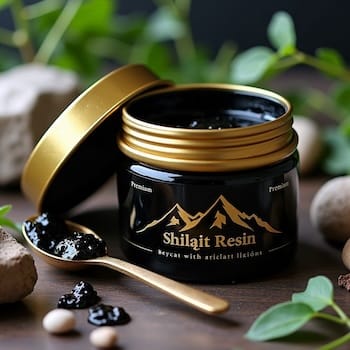
Shilajit is a black, sticky substance formed over centuries from decomposed plant material in mountain rocks. This natural phytocomplex emerges from the Himalayas and other mountainous regions worldwide. Think of it as nature’s multivitamin, concentrated through millennia of geological processes.
The word “shilajit” means “conqueror of mountains and destroyer of weakness” in Sanskrit. Ancient Ayurvedic texts classified it as a rasayana – a substance believed to enhance overall vitality. For women, this translates into potential benefits for energy, hormonal balance, and overall wellness.
Modern women are discovering shilajit as a natural alternative to synthetic supplements. It contains over 85 trace minerals and is rich in fulvic acid, a compound that may enhance nutrient absorption. This makes it particularly appealing for busy women juggling multiple responsibilities.
The growing interest stems from its versatility. Unlike supplements targeting specific symptoms, shilajit offers comprehensive support. Women report improved energy levels, better sleep quality, and enhanced mental clarity after incorporating it into their routines.
Key Benefits of Shilajit for Women’s Health
Energy and Vitality Enhancement
Women often struggle with fatigue due to demanding schedules, hormonal fluctuations, and nutrient deficiencies. Shilajit may offer a natural energy boost without the jitters associated with caffeine. The fulvic acid content helps optimize cellular energy production at the mitochondrial level.
Research suggests shilajit may reduce fatigue and improve stamina. Women report feeling more energized throughout the day without experiencing afternoon crashes. This sustained energy can be particularly beneficial during menstruation when energy levels typically dip.
The mineral content in shilajit supports various bodily functions. Iron may help combat anemia, while magnesium supports muscle function and stress management. These minerals work synergistically to promote overall vitality and well-being.
Many women find shilajit helps them maintain consistent energy levels during hormonal changes. Whether dealing with PMS, perimenopause, or postpartum recovery, the adaptogenic properties may help the body cope with stress more effectively.
Hormonal Balance and Reproductive Health
Women’s hormonal systems are complex and sensitive to various factors. While research on shilajit’s effects on female hormones is limited, traditional use suggests potential benefits for reproductive health. The mineral content may support healthy hormone production and regulation.
Some women report improved menstrual regularity after using shilajit consistently. The iron content may be particularly beneficial for women with heavy periods or iron-deficiency anemia. However, it’s crucial to monitor how your body responds, as individual reactions vary.
The adaptogenic properties may help manage stress-related hormonal imbalances. Chronic stress can disrupt reproductive hormones, leading to irregular cycles and other issues. By supporting the body’s stress response, shilajit may indirectly benefit hormonal health.
Women considering shilajit for hormonal support should consult healthcare providers. This is especially important for those with existing hormonal conditions, taking hormone medications, or trying to conceive.
Bone Health and Mineral Support
Women face unique bone health challenges, particularly after menopause when estrogen levels decline. Shilajit contains numerous minerals essential for bone health, including calcium, phosphorus, and magnesium. These minerals work together to support bone density and strength.
Small studies suggest shilajit may speed bone healing and potentially slow bone loss. For women at risk of osteoporosis, this could be particularly valuable. The fulvic acid may enhance mineral absorption, making these nutrients more bioavailable.
The trace minerals in shilajit support various enzymatic processes involved in bone formation. This comprehensive mineral profile may be more beneficial than isolated calcium supplements. Women often struggle to get adequate minerals from diet alone, making shilajit an attractive option.
Regular exercise combined with adequate mineral intake is crucial for bone health. Shilajit may complement these efforts by providing a concentrated source of bone-supporting nutrients in an easily absorbed form.
Cognitive Function and Mental Clarity
Women juggling careers, families, and personal responsibilities often experience brain fog and cognitive fatigue. Shilajit may support mental clarity and cognitive function through its antioxidant properties and mineral content.
The fulvic acid in shilajit acts as an antioxidant, potentially protecting brain cells from oxidative stress. This protection may help maintain cognitive function and memory. Some women report improved focus and mental sharpness after consistent use.
Stress significantly impacts cognitive function, and women often bear disproportionate stress loads. The adaptogenic properties of shilajit may help the body manage stress more effectively, indirectly supporting cognitive health. Better stress management can lead to clearer thinking and improved decision-making.
Sleep quality also affects cognitive function, and some women report better sleep patterns with shilajit use. Quality sleep is essential for memory consolidation and mental recovery. The magnesium content may contribute to improved sleep quality.
Understanding Shilajit Forms and Quality Considerations
Different Forms Available
Shilajit comes in various forms, each with distinct advantages and considerations. Understanding these options helps women choose the most suitable format for their lifestyle and preferences.
- Resin form: The most traditional and concentrated option, offering maximum potency
- Powder form: Easier to mix but may be less potent than resin
- Capsules: Convenient for travel and precise dosing
- Gummies: More palatable but may contain added sugars
- Liquid extracts: Quick absorption but shorter shelf life
Resin form is often considered the gold standard. It’s minimally processed and retains the full spectrum of compounds found in natural shilajit. However, the taste can be challenging, and preparation requires more effort.
Capsules offer convenience for busy women but may have lower bioavailability. The encapsulation process can affect absorption rates. Gummies provide a more pleasant taste experience but may include unnecessary additives.
When selecting a form, consider your lifestyle, taste preferences, and health goals. Quality matters more than form – a high-quality powder may be superior to a low-quality resin.
Quality and Purity Standards
Not all shilajit products are created equal. Quality varies significantly between brands and sources. Women should prioritize products that undergo rigorous testing and purification processes.
| Quality Indicator | What to Look For | Red Flags |
|---|---|---|
| Third-party testing | Certificate of analysis (COA) | No testing documentation |
| Heavy metal content | Below safety limits | No heavy metal testing |
| Fulvic acid percentage | 50-75% minimum | Unspecified content |
| Source location | Clearly stated origin | Vague sourcing information |
Raw shilajit can contain harmful contaminants including heavy metals, bacteria, and fungi. Proper purification removes these dangers while preserving beneficial compounds. Look for products that specifically mention purification processes and contaminant testing.
The FDA doesn’t regulate supplements, making third-party testing crucial. Independent laboratories verify purity and potency claims. Reputable brands willingly share these test results with customers.
For women seeking high-quality shilajit, 5 Elementum Best Himalayan Shilajit offers rigorously tested products with comprehensive quality documentation. Their commitment to purity and transparency makes them a trusted choice for health-conscious women.
How Women Can Safely Use Shilajit
Proper Dosage and Timing
Women’s bodies may respond differently to shilajit than men’s due to hormonal differences and generally smaller body mass. Starting with lower doses allows the body to adjust gradually and helps identify any sensitivities.
A typical starting dose ranges from 300-500mg daily, equivalent to a rice grain-sized portion of resin. Begin with this amount and gradually increase if needed. Some women find splitting the dose between morning and evening works best for sustained benefits.
Timing can affect absorption and sleep patterns. Many women prefer taking shilajit in the morning with breakfast to avoid potential sleep disruption. The energizing effects may interfere with sleep if taken late in the day.
Consistency matters more than timing. Regular daily use for at least 2-3 months allows the body to build up beneficial compounds. Like many natural supplements, shilajit’s effects are cumulative rather than immediate.
Preparation and Consumption Methods
Traditional preparation involves dissolving shilajit resin in warm water or milk. The heat helps break down the resin and improves absorption. Many women find this method most effective, despite the challenging taste.
Creative preparation methods can make consumption more pleasant. Mixing with honey, adding to smoothies, or incorporating into herbal teas can mask the earthy flavor. Some women prefer mixing with warm milk and spices like turmeric or cinnamon.
The copper spoon traditionally used isn’t just ceremonial – it may help preserve the mineral content. Plastic utensils can potentially interact with the resin, while metal spoons provide inert contact. However, this is more traditional preference than scientific necessity.
Avoid mixing shilajit with chlorinated water, as chlorine may neutralize some beneficial compounds. Filtered or spring water is preferable. Taking with food can help reduce potential stomach upset in sensitive individuals.
Monitoring Your Body’s Response
Women should pay close attention to their body’s signals when starting shilajit. Keep a simple journal tracking energy levels, sleep quality, menstrual changes, and any side effects. This helps identify patterns and optimal dosing.
Some women experience initial detox symptoms as the body adjusts. Mild headaches, digestive changes, or temporary fatigue may occur during the first week. These typically resolve as the body adapts to the supplement.
Menstrual cycle changes deserve special attention. While some women report improved regularity, others may experience temporary disruptions. Track cycle length, flow, and symptoms to identify any concerning patterns.
If unusual symptoms persist beyond two weeks, discontinue use and consult a healthcare provider. Women with existing health conditions should monitor more closely and maintain regular communication with their medical team.
Special Considerations for Women
Pregnancy and Breastfeeding
Pregnant and breastfeeding women should avoid shilajit due to insufficient safety data. The concentrated mineral content and potential contaminants pose unknown risks to developing babies. Even purified products haven’t been adequately studied in these populations.
The hormonal effects of shilajit could potentially interfere with pregnancy hormones. While traditional use suggests safety, modern safety standards require more rigorous testing. The potential benefits don’t outweigh the unknown risks during these critical periods.
Women trying to conceive should also exercise caution. Hormonal supplements can affect fertility in unpredictable ways. Consult with fertility specialists before adding shilajit to your regimen if you’re actively trying to get pregnant.
After delivery and cessation of breastfeeding, women can gradually reintroduce shilajit. Start with lower doses and monitor carefully, as postpartum hormonal changes may affect how the body responds to supplements.
Menstrual Cycle Considerations
Shilajit may influence menstrual cycles due to its mineral content and potential hormonal effects. Some women report more regular cycles, while others experience temporary disruptions. Individual responses vary significantly based on existing hormonal balance.
The iron content may be particularly beneficial for women with heavy menstrual bleeding. Iron deficiency anemia is common among menstruating women, and shilajit’s bioavailable iron may help address this issue. However, monitor iron levels to avoid excess accumulation.
Women with hormonal conditions like PCOS or endometriosis should be especially cautious. The potential testosterone-increasing effects could exacerbate androgen-related symptoms. Close medical supervision is advisable for women with these conditions.
Some women find shilajit helps manage PMS symptoms, possibly due to its magnesium content and stress-supporting properties. However, start with lower doses during the luteal phase to assess tolerance and avoid potential mood disruptions.
Menopause and Hormonal Transitions
Menopausal women face unique challenges including declining bone density, energy fluctuations, and cognitive changes. Shilajit’s comprehensive mineral profile may support these transition challenges naturally.
The antioxidant properties may help combat increased oxidative stress during menopause. Declining estrogen levels reduce natural antioxidant protection, making external support valuable. Shilajit’s fulvic acid provides potent antioxidant activity.
Bone health becomes critical during menopause as estrogen’s protective effects diminish. The mineral content in shilajit may support bone density maintenance. However, this shouldn’t replace proven interventions like weight-bearing exercise and adequate calcium intake.
Sleep disturbances are common during menopause, and some women report improved sleep quality with shilajit use. The magnesium content may promote relaxation and better sleep patterns. However, timing is important – avoid late-day doses that might interfere with sleep.
Potential Risks and Side Effects for Women
Hormonal Considerations and Contraindications
Women must be aware of shilajit’s potential hormonal effects. Some studies suggest it may increase testosterone levels, which could cause unwanted side effects in women. These might include acne, hair growth changes, or menstrual irregularities.
Women with hormone-sensitive conditions should exercise particular caution. Breast cancer survivors, those with endometriosis, or women with PCOS may need to avoid shilajit entirely. The hormonal effects, while generally mild, could potentially interfere with treatment or worsen symptoms.
Thyroid conditions require special consideration. Some women report thyroid function changes with shilajit use. Those with autoimmune thyroid conditions should monitor closely and work with endocrinologists when considering supplementation.
Birth control effectiveness might be affected by hormonal changes. While no direct interactions are documented, women relying on hormonal contraceptives should discuss potential risks with their healthcare providers.
Drug Interactions and Medical Conditions
Shilajit may interact with certain medications commonly used by women. Blood pressure medications, diabetes drugs, and blood thinners could potentially be affected. The mineral content might also interfere with thyroid medications or iron supplements.
Women with autoimmune conditions should be particularly cautious. Shilajit’s immune-modulating properties could potentially trigger flares in conditions like lupus or rheumatoid arthritis. Close medical supervision is essential for women with these conditions.
Heart conditions require special attention. While some studies suggest cardiovascular benefits, women with existing heart disease should consult cardiologists before use. The potential effects on blood pressure and heart rhythm need professional evaluation.
Kidney and liver conditions may affect how the body processes shilajit. Women with these conditions should avoid use or proceed only under strict medical supervision. The concentrated mineral content could potentially strain compromised organs.
Common Side Effects
Most women tolerate shilajit well, but some experience mild side effects initially. Gastrointestinal symptoms like nausea, bloating, or changes in bowel movements are most common. These typically resolve within a week as the body adjusts.
Headaches may occur during the first few days of use. This could be related to detoxification processes or changes in mineral balance. Staying well-hydrated and starting with smaller doses can minimize this effect.
Some women experience skin changes, either positive or negative. While some report clearer skin, others may initially experience breakouts. This could be related to hormonal changes or detoxification processes.
Allergic reactions, while rare, can occur. Women with multiple allergies should be particularly cautious. Start with very small amounts and watch for signs like rash, itching, or breathing difficulties.
Choosing Quality Shilajit Products
What to Look for in Shilajit Supplements
Quality shilajit should be dark brown to black in color with a tar-like consistency in resin form. It should dissolve completely in warm water, leaving no residue. The smell is naturally strong and earthy – this isn’t a defect but a sign of authenticity.
Third-party testing is non-negotiable for women’s safety. Look for products tested for heavy metals, microbial contamination, and fulvic acid content. Reputable brands provide certificates of analysis showing these test results.
Source location matters significantly. Himalayan shilajit is generally considered highest quality due to the region’s pristine environment and geological conditions. Avoid products with vague sourcing information or those claiming unrealistic purity levels.
Processing methods affect quality and safety. Traditional purification methods remove contaminants while preserving beneficial compounds. Modern processing should eliminate heavy metals and pathogens without destroying the complex molecular structure.
Red Flags to Avoid
Extremely low prices often indicate inferior quality or adulterated products. Authentic, properly processed shilajit requires significant investment in sourcing and testing. Suspiciously cheap products may contain fillers or contaminants.
Unrealistic health claims should raise immediate red flags. While shilajit has many potential benefits, products claiming to cure diseases or provide miraculous results are likely misleading. Legitimate brands focus on traditional uses and emerging research.
Lack of testing documentation is a serious concern. Any reputable shilajit brand should readily provide certificates of analysis. Companies refusing to share testing results or claiming proprietary testing methods should be avoided.
Products with artificial colors, flavors, or preservatives compromise purity. Authentic shilajit doesn’t need enhancement – its natural state provides optimal benefits. Additional ingredients may indicate dilution or attempt to mask inferior quality.
Lifestyle Integration and Best Practices
Incorporating Shilajit into Daily Routines
Successful shilajit supplementation requires consistent integration into daily habits. Many women find morning consumption works best, providing energy for the day ahead. Creating a ritual around preparation can make the experience more enjoyable.
Start by establishing a specific time and method for consumption. Whether mixed into morning coffee, dissolved in warm water, or taken as capsules, consistency helps the body adapt. Set reminders initially until the habit becomes automatic.
Prepare for the taste adjustment period. Most women need time to acclimate to shilajit’s strong flavor. Experiment with different mixing methods to find what works best. Some prefer quick consumption, while others sip slowly throughout their morning routine.
Track your experience in a simple journal. Note energy levels, sleep quality, mood changes, and any side effects. This information helps optimize dosing and timing while providing valuable feedback for healthcare providers.
Complementary Wellness Practices
Shilajit works best as part of a comprehensive wellness approach. Proper nutrition provides the foundation for optimal supplement absorption and effectiveness. Focus on whole foods rich in vitamins that enhance mineral absorption.
Regular exercise amplifies shilajit’s energy-supporting benefits. The improved stamina and recovery many women experience can enhance workout performance. Start slowly if you’re new to exercise, as the energy boost might surprise you.
Stress management techniques complement shilajit’s adaptogenic properties. Meditation, yoga, or deep breathing exercises can enhance the stress-reducing benefits. The combination often provides better results than either approach alone.
Quality sleep remains crucial for overall health. While shilajit may improve sleep quality for some women, maintaining good sleep hygiene practices is essential. Create a consistent bedtime routine and optimize your sleep environment.
Scientific Research and Evidence
Current Research Landscape
Scientific research on shilajit specifically in women remains limited. Most studies focus on general populations or male subjects, leaving gaps in our understanding of female-specific effects. This limitation makes careful self-monitoring even more important for women users.
Available research suggests potential benefits for energy, cognitive function, and mineral status. However, these studies often have small sample sizes and methodological limitations. Women should view current research as promising but preliminary rather than definitive.
The Cleveland Clinic notes that while shilajit shows promise in early studies, more rigorous research is needed to confirm health benefits. This cautious approach is particularly relevant for women considering supplementation.
Traditional use provides valuable insights but shouldn’t replace scientific evidence. Ayurvedic texts describe shilajit’s benefits for women, but modern safety standards require controlled studies to verify these claims.
Safety Research and Concerns
Safety studies on shilajit are generally reassuring but limited in scope and duration. Most research shows minimal adverse effects in healthy adults when using purified products. However, long-term safety data, especially for women, remains insufficient.
Contaminant studies reveal significant concerns with raw or poorly processed shilajit. Heavy metals like lead, mercury, and arsenic can accumulate in the body over time, causing serious health problems. This makes quality selection crucial for women’s safety.
Drug interaction studies are largely absent from current research. Women taking medications should assume potential interactions exist and consult healthcare providers. The complex mineral profile could theoretically affect medication absorption or effectiveness.
Reproductive safety data is particularly lacking. Without adequate studies in pregnant or breastfeeding women, avoidance during these periods represents the safest approach. Future research may provide clearer guidance for these populations.
Making an Informed Decision
Consulting Healthcare Providers
Before starting shilajit, women should discuss supplementation with their healthcare providers. This conversation becomes crucial for those with existing health conditions, taking medications, or planning pregnancy. Providers can assess individual risk factors and provide personalized guidance.
Bring product information to your appointment, including certificates of analysis and ingredient lists. This helps providers evaluate quality and identify potential interactions. Be honest about your health goals and expectations from supplementation.
Consider consulting specialists for specific conditions. Endocrinologists can advise women with hormonal disorders, while cardiologists can guide those with heart conditions. Specialized knowledge helps ensure safe supplementation decisions.
Regular monitoring may be necessary for women with certain conditions. Blood tests can track mineral levels, hormone status, and organ function. This ongoing assessment helps identify any concerning changes early.
Cost-Benefit Analysis
Quality shilajit represents a significant investment in health. Women should weigh the potential benefits against the costs, including both financial and health considerations. Consider whether the investment aligns with your health priorities and budget.
Compare the cost of shilajit to other wellness interventions. Sometimes, addressing underlying issues like poor diet, inadequate sleep, or high stress might provide better returns on investment. Shilajit should complement, not replace, fundamental health practices.
Factor in the time investment required for proper use. Resin forms require daily preparation, while capsules offer convenience. Consider your lifestyle and whether you’ll consistently use the product as intended.
Evaluate your current supplement regimen to avoid redundancy. Shilajit’s comprehensive mineral profile might replace multiple individual supplements, potentially saving money while simplifying your routine.
Conclusion: Empowering Women’s Health Choices
Shilajit offers intriguing possibilities for women seeking natural health support. Its rich mineral content, traditional use, and emerging research suggest potential benefits for energy, cognitive function, and overall wellness. However, women must approach supplementation thoughtfully and safely.
The key to successful shilajit use lies in education, quality selection, and professional guidance. Understanding both benefits and risks empowers women to make informed decisions about their health. Starting slowly, monitoring carefully, and maintaining open communication with healthcare providers ensures the safest approach.
Quality matters immensely in the shilajit market. Women deserve products that are rigorously tested, properly purified, and transparently labeled. Investing in high-quality sources protects both health and financial investment in wellness.
Remember that shilajit isn’t a magic bullet. It works best as part of a comprehensive approach to health that includes proper nutrition, regular exercise, stress management, and adequate sleep. When used thoughtfully, shilajit may provide valuable support for women’s unique health needs and challenges.
The journey to optimal health is personal and ongoing. Shilajit may be one tool in a woman’s wellness toolkit, but it should complement rather than replace proven health practices. With careful consideration and proper guidance, women can explore whether this ancient remedy has a place in their modern health routines.
Information 2025 Article on Shilajit for Women – Comprehensive Guide to Benefits, Uses, and Safety Considerations
- buy shilajit
- best shilajit to buy
- where can i buy pure shilajit
- reviews on shilajit
- best shilajit brand
- shilajit for men
- organic shilajit resin
- shilajit for bodybuilding
- mars shilajit gold
- pahadi shilajit
- does shilajit works
- shilajit testosterone
- shilajit for womens
- is shilajit gluten free
- purest shilajit resin
- buy primavie shilajit