
The Ultimate Guide to Organic Shilajit Resin: Nature’s Ancient Mineral Powerhouse
Organic shilajit resin has captured the attention of wellness enthusiasts worldwide. This ancient substance, formed over millennia in the pristine mountain ranges, offers a unique blend of minerals and compounds. From high-altitude Himalayan peaks to the rugged terrains of Siberia, authentic shilajit continues to be one of nature’s most fascinating gifts.
The sticky, tar-like substance emerges from rock formations during warmer months. Yet beneath its humble appearance lies a complex matrix of fulvic acid, trace minerals, and bioactive compounds. Today’s health-conscious consumers are rediscovering what ancient practitioners have known for centuries.
What Makes Organic Shilajit Resin Special
The Formation Process
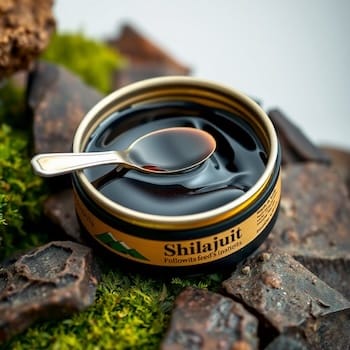
Organic shilajit resin forms through a remarkable geological process spanning thousands of years. Plant matter gets compressed between rock layers in mountainous regions. Over time, this organic material transforms into a mineral-rich resin that seeps from rock cracks.
The process is like nature’s own slow-cooking method. Pressure, time, and specific environmental conditions create this unique substance. Unlike synthetic supplements manufactured in laboratories, shilajit develops naturally without human intervention.
High-altitude locations provide the purest forms of this resin. The pristine environment ensures minimal contamination from pollutants. Research shows that elevation plays a crucial role in determining quality and potency.
Mineral Composition
The mineral profile of organic shilajit resin reads like a comprehensive multivitamin. It contains over 85 trace minerals in their natural ionic form. These include iron, calcium, copper, magnesium, phosphorous, zinc, and silica.
What sets shilajit apart is its fulvic acid content. This compound acts as a natural transporter, helping the body absorb minerals more effectively. Think of fulvic acid as nature’s delivery system for essential nutrients.
The bioavailability of minerals in shilajit surpasses many synthetic alternatives. Your body recognizes these naturally occurring compounds more readily. This translates to better absorption and utilization at the cellular level.
Sourcing and Quality Standards
Geographic Origins
The Himalayan mountain range remains the most prized source for organic shilajit resin. Altitudes above 16,000 feet provide optimal conditions for formation. The harsh environment and pristine air quality contribute to superior purity levels.
Siberian mountains also produce high-quality shilajit resin. The cold climate and unique geological formations create distinct characteristics. Some practitioners prefer Siberian varieties for their specific mineral profiles.
Authentic sourcing requires careful consideration of harvesting methods. Traditional collectors risk their lives scaling dangerous mountain faces. They identify genuine seepage points and extract the resin using time-honored techniques.
Processing and Purification
Quality organic shilajit resin undergoes minimal processing to preserve its natural properties. Traditional purification methods use only pure water and low heat. This gentle approach maintains the integrity of bioactive compounds.
Modern processing techniques may involve filtration to remove impurities. However, excessive heat or chemical treatments can degrade valuable components. The best products maintain their raw, unprocessed nature as much as possible.
Third-party laboratory testing ensures safety and potency standards. Reputable suppliers provide certificates of analysis showing heavy metal content. These tests also verify fulvic acid percentages and mineral composition.
| Quality Indicator | Premium Grade | Standard Grade |
|---|---|---|
| Fulvic Acid Content | 75-85% | 50-65% |
| Trace Minerals | 85+ | 60-80 |
| Altitude Sourced | 16,000+ ft | 10,000-15,000 ft |
| Processing Method | Low heat, water only | May include higher heat |
Traditional Uses and Modern Applications
Ayurvedic Heritage
Ancient Ayurvedic texts refer to shilajit as “rasayana,” meaning rejuvenator. Traditional practitioners valued it for balancing the three doshas: Vata, Pitta, and Kapha. The name “Shilajit” translates to “Conqueror of Mountains” and “Destroyer of Weakness.”
For centuries, mountain dwellers observed animals seeking out shilajit deposits. They noticed these animals appeared stronger and more energetic. This observation led to human experimentation and eventual integration into traditional medicine systems.
Ayurvedic practitioners traditionally combined shilajit with other herbs. These formulations targeted specific health concerns and constitutional types. The versatile nature of shilajit made it a cornerstone of many traditional remedies.
Contemporary Wellness Trends
Modern wellness enthusiasts embrace organic shilajit resin for various reasons. Energy support remains one of the most common applications. Many users report sustained energy without the jitters associated with caffeine.
The adaptogenic properties of shilajit appeal to stress-conscious individuals. In our fast-paced world, natural stress management solutions gain increasing popularity. Shilajit’s mineral content may help support the body’s stress response systems.
Recovery-focused athletes show growing interest in shilajit supplementation. The mineral density and bioactive compounds may support post-exercise recovery. Some fitness enthusiasts incorporate it into their daily wellness routines.
How to Choose Quality Organic Shilajit Resin
Authenticity Verification
Identifying authentic organic shilajit resin requires understanding key characteristics. Genuine resin should dissolve completely in warm water or milk. If it doesn’t dissolve, you’re likely dealing with an inferior product.
The texture test provides another authenticity indicator. Pure shilajit becomes soft and pliable when warmed in your hands. When cooled, it hardens like glass. This temperature-responsive behavior is a hallmark of authentic resin.
Color and aroma offer additional clues about quality. Authentic shilajit displays a dark brown to black color. The smell is earthy and somewhat pungent, reminiscent of rich soil or tar.
Laboratory Testing Importance
Third-party laboratory testing serves as your safety net when purchasing shilajit. Heavy metals testing ensures the product meets safety standards. Lead, mercury, and arsenic levels should fall within acceptable limits.
Fulvic acid percentage verification confirms potency claims. Premium products typically contain 75% or higher fulvic acid content. Lower percentages may indicate dilution or inferior source materials.
Microbiological testing checks for harmful bacteria and pathogens. Mountain-sourced materials can harbor various microorganisms. Proper testing ensures the product is safe for consumption.
- Request certificates of analysis from suppliers
- Verify testing dates are recent
- Check for accredited laboratory credentials
- Confirm heavy metals are within safe limits
- Validate fulvic acid percentages match claims
Proper Storage and Handling
Storage Conditions
Organic shilajit resin requires specific storage conditions to maintain potency. Room temperature storage works well for most climates. Excessive heat can cause the resin to become overly soft and difficult to handle.
Cool, dry environments help preserve the resin’s consistency. Humidity can affect texture and potentially introduce moisture-related issues. A pantry or medicine cabinet typically provides ideal conditions.
Light protection helps maintain the integrity of bioactive compounds. Many premium suppliers package their products in dark glass containers. This violet glass technology filters harmful light wavelengths while allowing beneficial ones to pass through.
Handling Techniques
Working with organic shilajit resin requires patience and the right tools. A small spoon or knife tip works best for extracting portions. The sticky consistency can make measurement challenging for newcomers.
Warming the jar slightly can make extraction easier. However, avoid microwaving or applying direct heat. Gentle warming between your hands or near a warm surface suffices.
Some users prefer dissolving their daily portion in warm water the night before. This pre-preparation method eliminates morning handling difficulties. The dissolved solution can be stored in the refrigerator for up to 24 hours.
Consumption Methods and Dosage
Traditional Preparation Methods
Traditional consumption methods vary across different cultures and regions. Many practitioners dissolve a rice grain-sized amount in warm milk or water. This creates a mineral-rich beverage that’s easier to consume than raw resin.
Some traditional preparations combine shilajit with honey or ghee. These carriers help mask the strong taste while potentially enhancing absorption. The combination also makes the resin easier to swallow for sensitive individuals.
Morning consumption on an empty stomach represents the most common traditional approach. This timing may optimize absorption and provide sustained energy throughout the day. However, individual tolerance varies significantly.
Modern Consumption Approaches
Contemporary users have developed creative ways to incorporate shilajit into their routines. Coffee enthusiasts add small amounts to their morning brew. The robust flavor of coffee helps mask shilajit’s earthy taste.
Smoothie incorporation has gained popularity among health-conscious consumers. The thick texture of smoothies camouflages the resin’s consistency. Fruits and vegetables help balance the strong mineral taste.
For those seeking premium quality, 5 Elementum Best Himalayan Shilajit offers carefully sourced, lab-tested resin that meets the highest purity standards.
| Consumption Method | Pros | Cons |
|---|---|---|
| Dissolved in water | Quick absorption, traditional method | Strong taste, requires warm water |
| Mixed with honey | Better taste, easier swallowing | Added calories, may affect blood sugar |
| In coffee/tea | Masks flavor, convenient | May affect caffeine absorption |
| Smoothie addition | Pleasant taste, nutrient synergy | More preparation time required |
Understanding Fulvic Acid Benefits
Cellular Transport Mechanisms
Fulvic acid serves as nature’s most effective nutrient delivery system. Its small molecular size allows it to penetrate cell membranes easily. This unique property enables efficient transport of minerals directly to cellular sites.
The chelation properties of fulvic acid enhance mineral bioavailability significantly. It binds to minerals, creating complexes that the body recognizes and absorbs readily. This process surpasses the absorption rates of many synthetic mineral supplements.
Research suggests fulvic acid may support mitochondrial function. These cellular powerhouses require specific minerals to produce energy efficiently. The enhanced delivery system may contribute to improved cellular energy production.
Antioxidant Properties
Fulvic acid demonstrates notable antioxidant activity in laboratory studies. It helps neutralize free radicals that can damage cellular structures. This protective mechanism may contribute to overall wellness and vitality.
The antioxidant network in organic shilajit resin works synergistically. Multiple compounds work together to provide comprehensive protection. This natural combination often proves more effective than isolated antioxidant supplements.
Environmental stressors constantly challenge our cellular defenses. Modern life exposes us to pollution, radiation, and chemical toxins. Natural antioxidant support becomes increasingly valuable in our toxic world.
Selecting Authentic Products
Red Flags to Avoid
Several warning signs indicate potentially fake or adulterated shilajit products. Extremely low prices often signal inferior quality or synthetic alternatives. Authentic, high-altitude sourced resin requires significant investment in harvesting and processing.
Products that burn when exposed to flame are likely synthetic. Genuine shilajit will bubble and char but never actually ignite. This fire test provides a simple authenticity verification method.
Uniform consistency throughout the jar may indicate artificial processing. Natural resin often varies slightly in texture and color. Perfect uniformity suggests potential adulteration or synthetic production.
Trusted Supplier Characteristics
Reputable shilajit suppliers provide comprehensive product information and testing documentation. They openly share harvesting locations, processing methods, and laboratory results. Transparency indicates confidence in product quality and authenticity.
Customer reviews and testimonials offer valuable insights into supplier reliability. Long-established companies with consistent positive feedback demonstrate trustworthiness. New companies should provide extensive documentation to establish credibility.
Direct relationships with harvesting communities indicate serious commitment to authenticity. Suppliers who travel to source locations demonstrate dedication to quality. This personal involvement often results in superior products.
Storage and Shelf Life Considerations
Optimal Storage Conditions
Proper storage significantly impacts the longevity and potency of organic shilajit resin. Temperature stability prevents unwanted consistency changes. Avoid locations with extreme temperature fluctuations like car glove compartments or sunny windowsills.
Moisture control helps prevent degradation and contamination. Humid environments can introduce unwanted microorganisms. Silica gel packets in storage areas help maintain optimal humidity levels.
Container selection affects long-term preservation. Glass containers provide the best protection against environmental factors. Plastic containers may interact with the resin over extended periods.
Signs of Degradation
Several indicators suggest your shilajit resin may be degrading. Unusual odors beyond the typical earthy scent warrant concern. Mold growth or visible contamination requires immediate disposal.
Dramatic texture changes may indicate quality issues. While some variation is normal, extreme hardening or liquefaction suggests problems. Temperature abuse often causes these dramatic changes.
Color changes can signal oxidation or contamination. While slight variations are normal, dramatic color shifts require investigation. When in doubt, contact your supplier for guidance.
Integration with Modern Wellness Routines
Timing Considerations
Most practitioners recommend morning consumption for optimal results. Empty stomach absorption may enhance mineral uptake. However, sensitive individuals might prefer taking it with food.
Pre-workout timing appeals to fitness enthusiasts seeking natural energy support. The mineral content may help with electrolyte balance during intense exercise. Post-workout consumption might support recovery processes.
Evening consumption suits those focusing on recovery and restoration. Some users report improved sleep quality with nighttime dosing. Individual responses vary, making personal experimentation valuable.
Lifestyle Integration Strategies
Successful long-term use requires developing sustainable consumption habits. Many users establish morning rituals incorporating shilajit into their routine. Consistency often proves more important than perfect timing.
Travel considerations become important for regular users. Shilajit’s stability makes it suitable for travel, unlike many liquid supplements. Small containers allow easy portability without compromising quality.
Seasonal adjustments may optimize benefits throughout the year. Winter months might call for increased dosages to support energy levels. Summer periods may require reduced amounts due to increased natural energy.
Quality Comparison: Forms and Formats
Resin vs. Powder Comparison
Organic shilajit resin maintains its natural state better than processed powders. The resin form preserves delicate compounds that may be damaged during powder production. Heat exposure during powder manufacturing can degrade sensitive components.
Powder forms offer convenience advantages for some users. They mix more easily into beverages and foods. However, this convenience often comes at the cost of potency and authenticity.
Standardization becomes more challenging with powder forms. Manufacturers may add fillers or flow agents to improve handling. These additives can dilute the concentration of active compounds.
Liquid Extracts vs. Resin
Liquid shilajit extracts provide immediate bioavailability advantages. The pre-dissolved format requires no preparation time. However, preservation challenges may affect long-term stability.
Alcohol-based extracts may alter the natural compound profile. The extraction process can concentrate certain components while eliminating others. This selective extraction may not provide the full spectrum of benefits.
Resin form maintains the complete natural matrix of compounds. All components remain in their original proportions and relationships. This wholeness may contribute to enhanced synergistic effects.
| Format | Convenience | Potency | Shelf Life | Cost |
|---|---|---|---|---|
| Organic Resin | Moderate | Highest | Excellent | Moderate |
| Powder | High | Variable | Good | Lower |
| Liquid Extract | Highest | Moderate | Limited | Higher |
| Capsules | Highest | Variable | Good | Variable |
Safety Considerations and Precautions
General Safety Guidelines
Like any potent natural substance, organic shilajit resin requires responsible use. Start with smaller amounts to assess individual tolerance. Some people may experience digestive sensitivity initially.
Pregnancy and nursing mothers should consult healthcare providers before use. The concentrated mineral content may not be appropriate during these sensitive periods. Professional guidance ensures safety for both mother and child.
Medication interactions deserve careful consideration. Shilajit’s mineral content may affect absorption of certain pharmaceuticals. Always discuss supplement use with your healthcare provider.
Quality Assurance Measures
Purchasing from reputable sources minimizes safety risks significantly. Established suppliers invest in proper testing and quality control measures. They understand the importance of consumer safety and product integrity.
FDA guidelines for dietary supplements provide important safety framework. While shilajit isn’t FDA approved, following these guidelines helps ensure responsible use.
Regular monitoring of how you feel helps identify any adverse reactions. Keep a simple log of dosage, timing, and effects. This information proves valuable for optimizing your routine.
Environmental and Sustainability Factors
Harvesting Impact
Sustainable harvesting practices protect mountain ecosystems for future generations. Responsible collectors take only what naturally seeps from rocks. They avoid damaging rock formations or disturbing wildlife habitats.
Traditional harvesting communities depend on shilajit for their livelihoods. Supporting ethical suppliers helps maintain these ancient traditions. Fair trade practices ensure harvesters receive appropriate compensation.
Climate change affects shilajit formation and availability. Changing temperature patterns may alter natural seepage cycles. This makes sustainable harvesting practices even more critical.
Packaging and Transportation
Eco-conscious suppliers choose environmentally friendly packaging materials. Glass containers provide excellent protection while being recyclable. Some companies use violet glass technology for enhanced preservation.
Transportation carbon footprints vary significantly between suppliers. Companies that consolidate shipments reduce environmental impact. Local distribution networks help minimize long-distance shipping.
Bulk purchasing reduces packaging waste and transportation frequency. However, proper storage becomes more critical with larger quantities. Balance environmental concerns with practical storage capabilities.
Future Trends and Innovations
Research Developments
Scientific interest in shilajit continues growing among researchers worldwide. Modern analytical techniques reveal new insights into its complex composition. These discoveries may lead to enhanced processing and application methods.
Standardization efforts aim to establish consistent quality benchmarks. Industry organizations work toward unified testing protocols. These standards will help consumers make more informed purchasing decisions.
Sustainable sourcing initiatives gain momentum within the industry. Technology may enable more efficient harvesting while protecting mountain environments. Innovation could help meet growing demand responsibly.
Market Evolution
The organic shilajit resin market shows steady growth as awareness increases. More consumers seek natural alternatives to synthetic supplements. This demand drives innovation in sourcing, processing, and packaging.
Premium positioning reflects the true value of authentic, high-quality resin. Consumers increasingly understand the difference between cheap imitations and genuine products. This education leads to better purchasing decisions.
Integration with other natural products creates exciting combination possibilities. Formulators explore synergistic blends with complementary herbs and minerals. These innovations may enhance traditional applications.
Organic shilajit resin represents a bridge between ancient wisdom and modern wellness needs. Its complex formation process creates a unique supplement that synthetic alternatives cannot replicate. Quality sourcing, proper handling, and responsible use unlock its potential benefits.
The journey from mountain peaks to your wellness routine involves many careful steps. Understanding these processes helps you make informed decisions about product selection. Whether you’re new to shilajit or a seasoned user, knowledge empowers better choices.
As interest in natural wellness solutions continues growing, organic shilajit resin stands out for its authenticity and tradition. This ancient substance offers modern seekers a connection to time-tested wellness practices. The key lies in choosing quality products and using them responsibly within a balanced lifestyle approach.
- buy shilajit
- best shilajit to buy
- where can i buy pure shilajit
- reviews on shilajit
- best shilajit brand
- shilajit for men
- organic shilajit resin
- shilajit for bodybuilding
- mars shilajit gold
- pahadi shilajit
- does shilajit works
- shilajit testosterone
- shilajit for womens
- is shilajit gluten free
- purest shilajit resin
- buy primavie shilajit